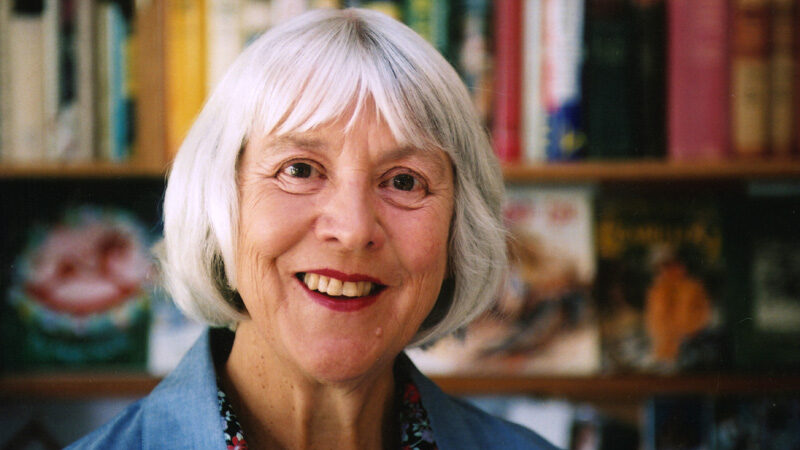
Christobel Mattingley (Shepley – Class of 1947) – Acclaimed Author and Activist
Posted on August 21, 2025
To mark Book Week, we’re paying tribute to the celebrated author and activist Christobel Mattingley (Shepley) (1947), who died in 2019. In her 46-year career as an author, Christobel had 55 books published, alongside poetry, essays and short stories. She was made a member of the Order of Australia in 1996 for “services to literature, particularly children’s literature, and for community service through her commitment to social and cultural issues”.
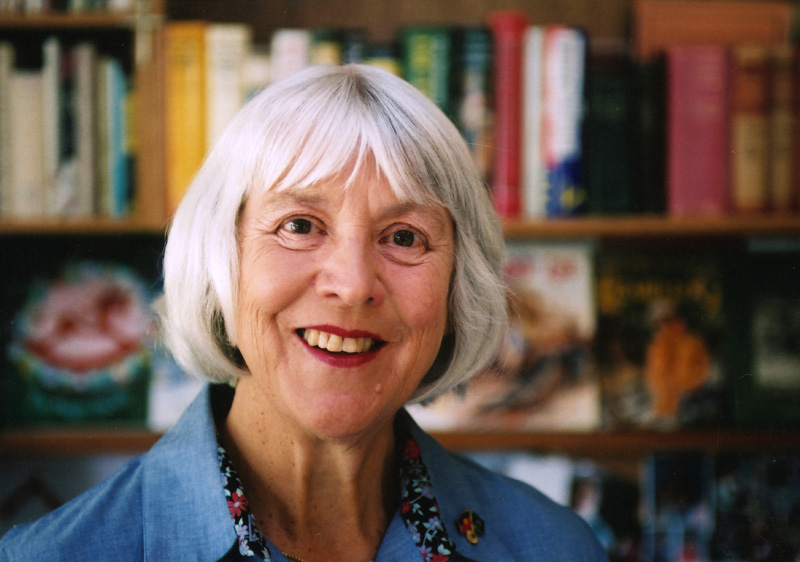
Christobel started at Friends’ when she was 13. “She told me, not long before she died, that her very strong sense of social justice stemmed from her time at The Friends’ School,” says her daughter, linguist and editor Rosemary Mattingley. Her family had moved to Tasmania from Sydney so her father could work as Chief Civil Engineer for the Hydro-Electric Commission.“When she first came to Friends’, she expressed a view supporting the allies during World War II. Someone at Friends’ – a teacher, I imagine – gently pointed out that there were two sides in the war and to reflect on the implications. It changed her way of looking at the world.”
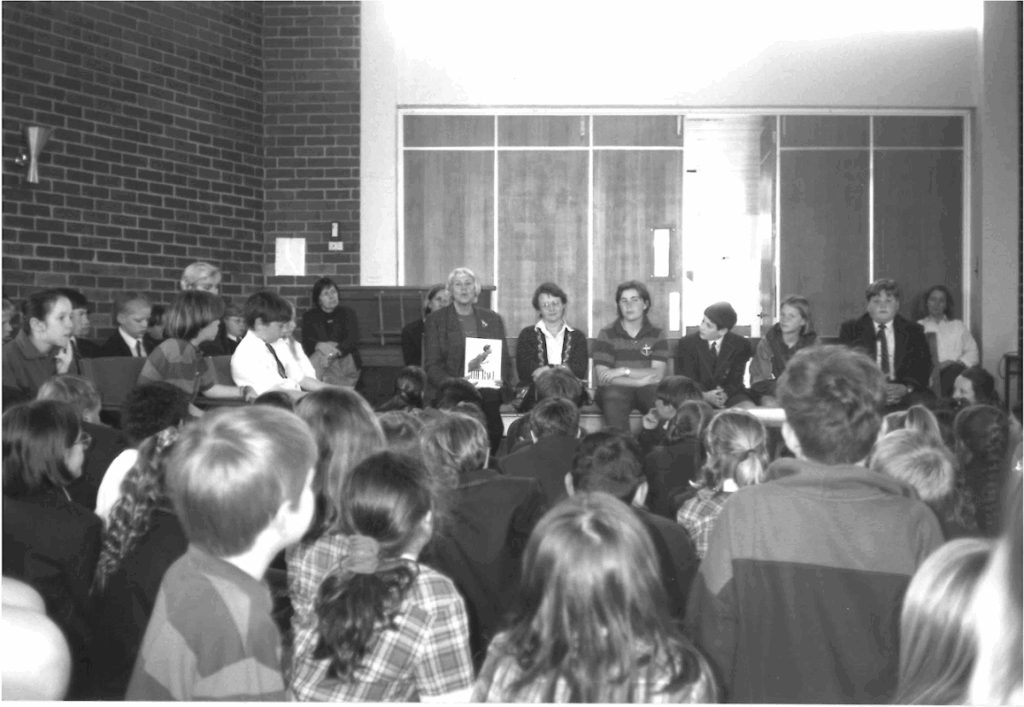
Rosemary says her mother often used book royalties and public speaking fees to benefit others: from the Salvation Army to the World Wide Fund for Nature. She gave all royalties from the trilogy No Gun for Asmir, Asmir in Vienna and Escape From Sarajevo to a Bosnian refugee family, and she and her husband David paid for the education of more than a dozen children in Australia, Papua New Guinea, Bangladesh and the United States.
In 1963, Christobel and David established the charity Community Aid Abroad in South Australia, which later became part of Oxfam, and held fundraising events including the Walk Against Want. Christobel’s commitment to Aboriginal affairs intensified over the years, with books including Maralinga – The Anangu Story about the Indigenous people displaced from traditional lands by atomic testing in the 1950s and ’60s.
“Christobel’s sense of social justice was strong,” says Rosemary, who recalls a trip with her parents to Nagasaki, Japan, where the United States had dropped their second atomic bomb. Rosemary says she couldn’t bear to revisit the museum, with its harrowing relics, but on Christmas night her mother sat on a bunk in their youth hostel and wrote the deeply moving story “The Miracle Tree”. “She wrote it down in an old exam book, describing the atomic bomb, its effects, love, loss and reuniting,” says Rosemary. The book was later translated into Japanese.