Lizzy Crotty (Class of 2007) Ecologist and Entrepreneur
Posted on August 23, 2025
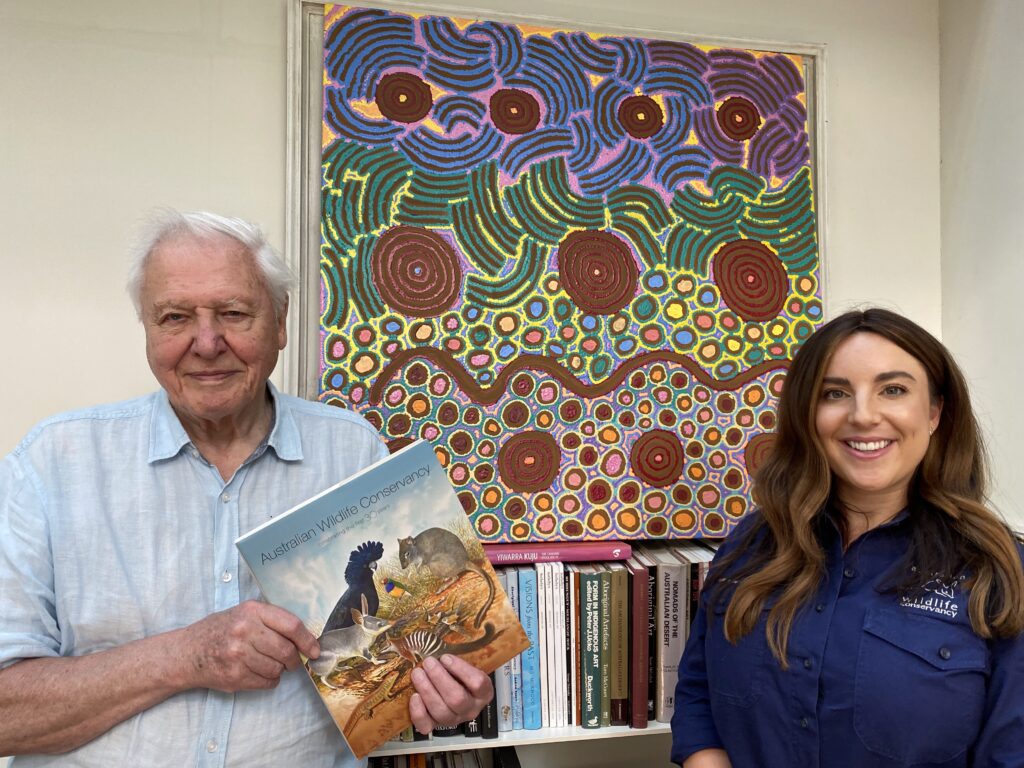
As an ecologist and entrepreneur, Lizzy Crotty (2007) was perfectly placed to head up Australian Wildlife Conservancy (AWC) UK, living in London to raise funds to help the environment back home.
As told to Alison Boleyn.
This year you went to Antarctica. Can you describe what that was like?
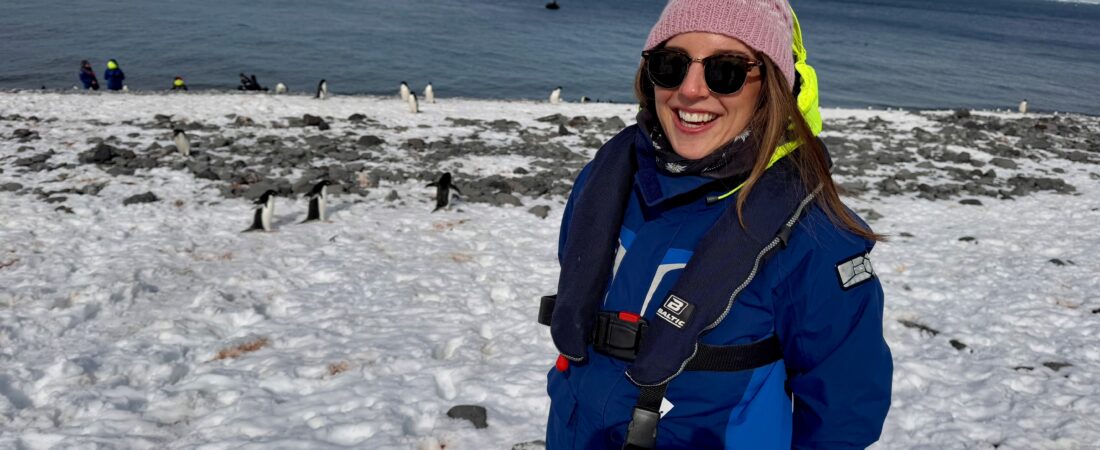
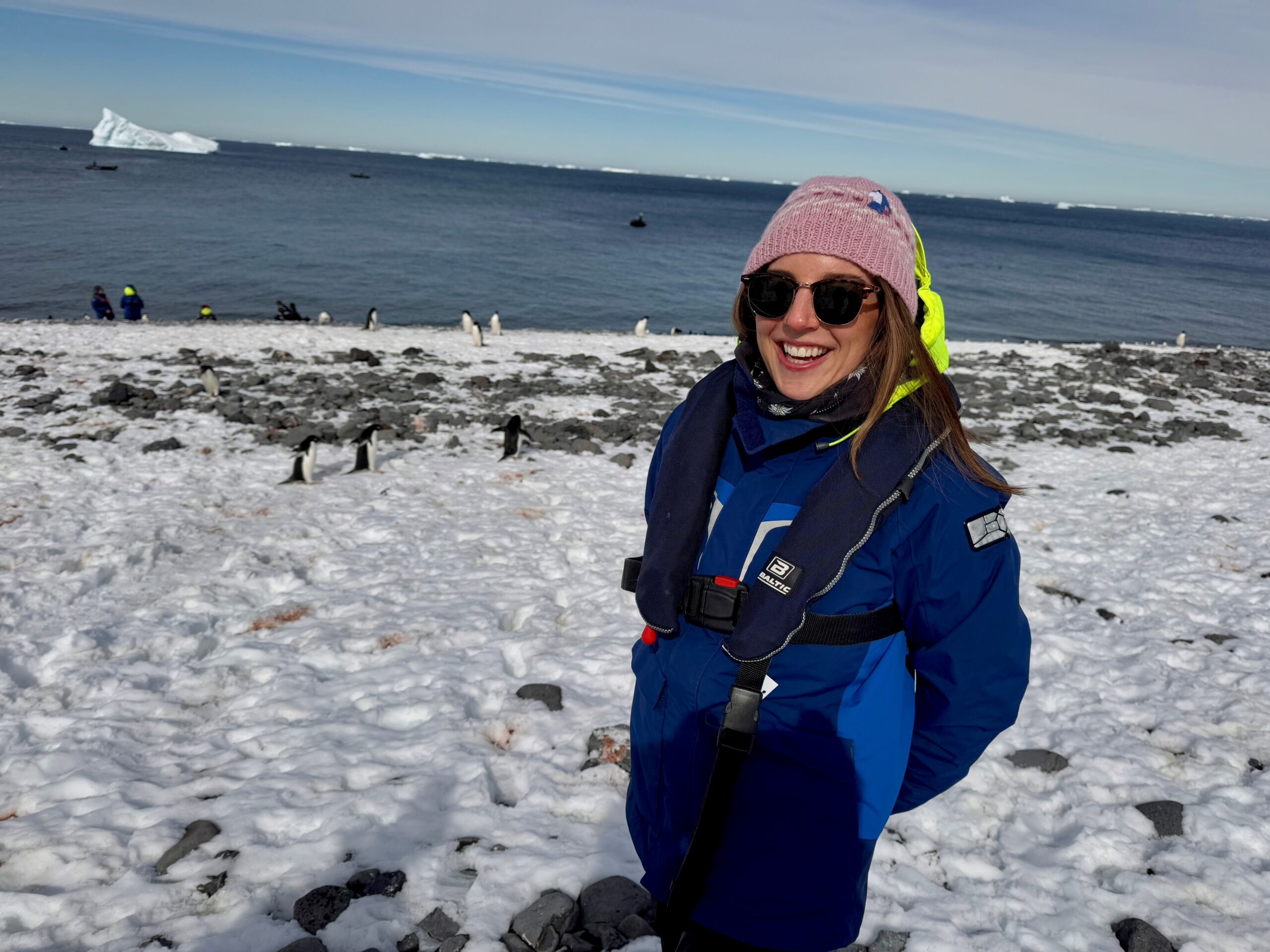
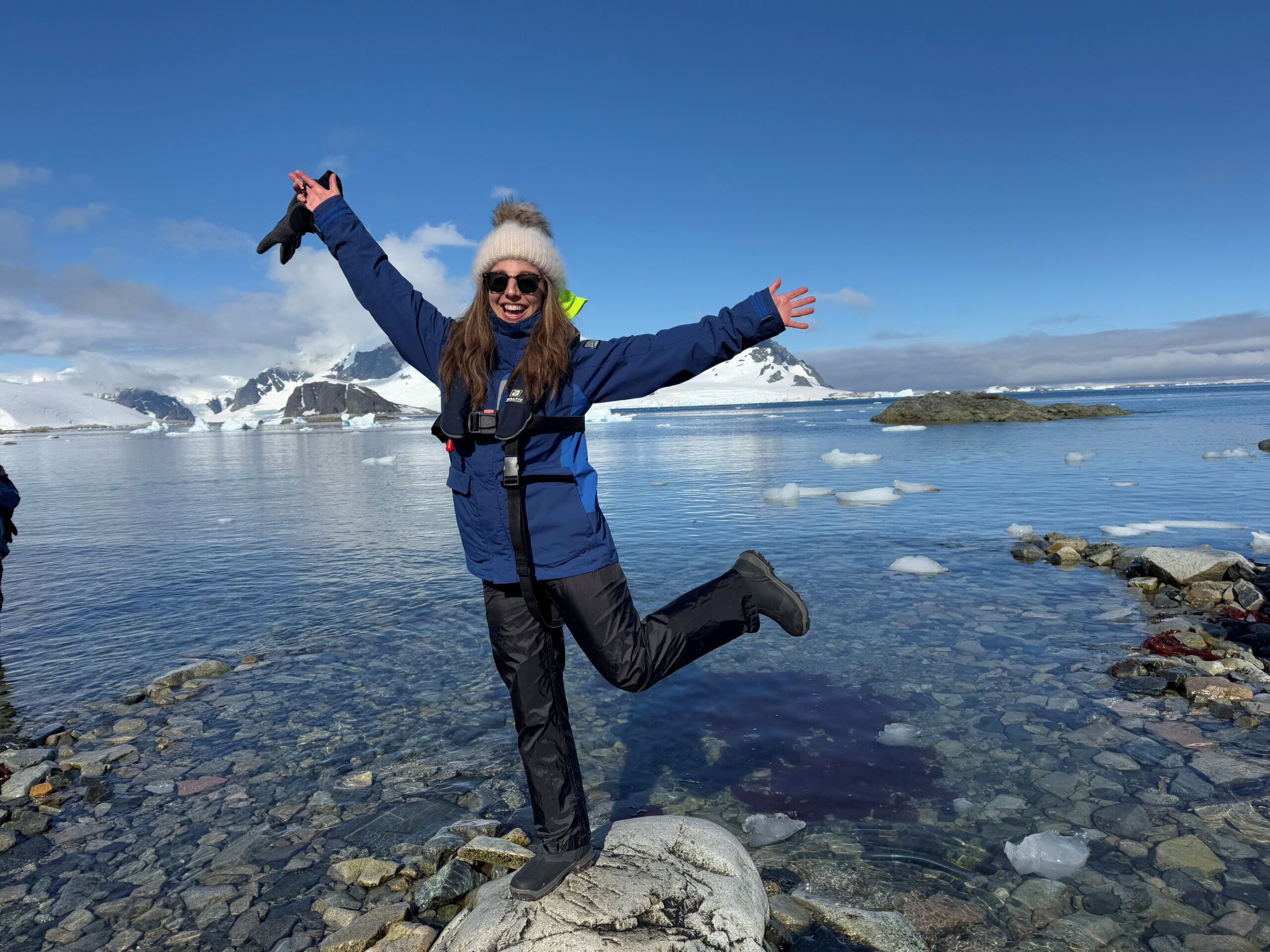
It’s what I suppose astronauts feel when they go into space: a humbling and awe-inspiring experience. You realise that as human beings, we’re so dependent on this boat to stay alive. There’s not a shred of human life. It’s just ice and tumultuous seas.
Why were you there?
I was part of a 12-month STEMM Women In Leadership course through Homeward Bound, which culminates in a three-week journey to Antarctica. The idea is to equip women in STEMM fields [Science Technology Engineering, Mathematics and Medicine] with the skills and knowledge to become leaders the world needs to get through the many crises we’re facing. We had 114 women from around the globe on a boat together: neuroscientists and astrophysicists and engineers and people in AI. It was this beautiful petri dish where all these ideas were culminating to be able to make a difference to the world, which isn’t a small undertaking.
What sparked your interest in conservation?
Growing up in Tasmania, primarily! Mum and Dad took us sailing up the Derwent and bike-riding on the mountain, and even when they were in their puffer jackets on the beach, we kids would be playing in the water. I was really fascinated with how you could have an ecosystem on the mountain and a totally different one just 15 minutes nearby. Something clicked in an environmental class at Friends’. When the teacher Dennis Moore explained how different facets of the ecosystem work together and how you have different trophic levels of the food chain, I was captivated.

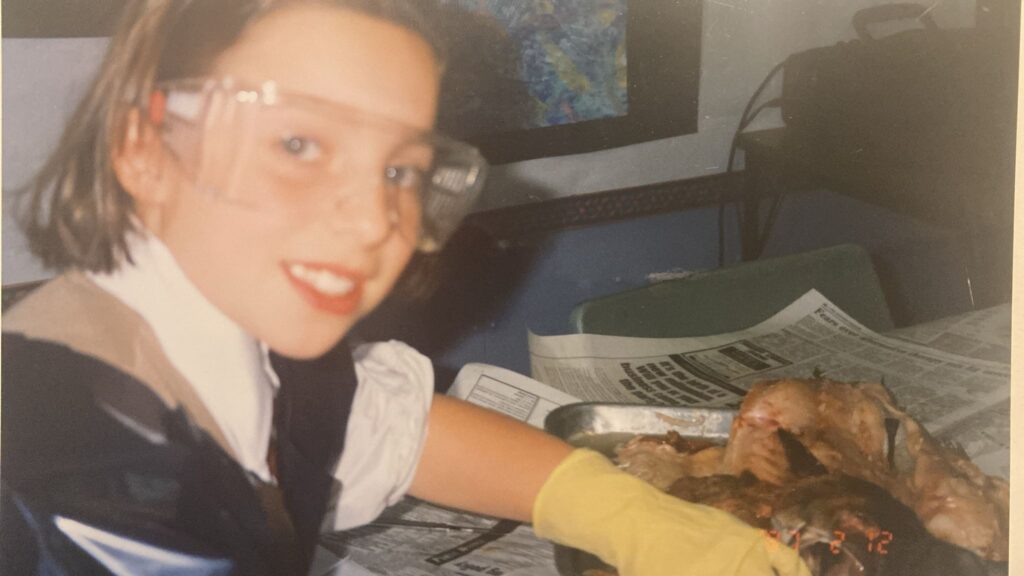
[long-serving Humanities and English teacher] Peter Jones inspired me to follow a career in something I cared about. After Friends’, I studied a Bachelor of Environmental Science at the University of Queensland. We were given the opportunity to do a work placement, and I started to think: oh, I’m going to work with the orangutangs in Borneo or study snow leopards in Siberia, but the Ornithological Society of New Zealand said they had just the job for an enthusiastic volunteer: dissecting 800 dead seabirds. It was smelly work, but I was working with the best minds in the world in seabird science and conservation. I did an Honours project and then some field work there – with live seabirds, fortunately.
Were you considering a life in research and academia?
I was veering that way, researching amazing birds that are declining: flesh-footed shearwaters, little blue penguins, Westland petrels. But the science would tell us X, Y and Z and we would write papers, then the information would go to people who make the decisions, and things just weren’t changing fast enough. So I ended up more focused on the human side of conservation. I took an internship in Zambia on a large-scale commercial farm, working on the Outgrower Program, which tries to address socioeconomic and environmental problems at the same time, by educating farmers in sustainable farming. Zambia took my blinkers off; if you have a child at home who’s literally starving, you’re not going to care about CO2 going into the atmosphere.
What took you to Johannesburg?
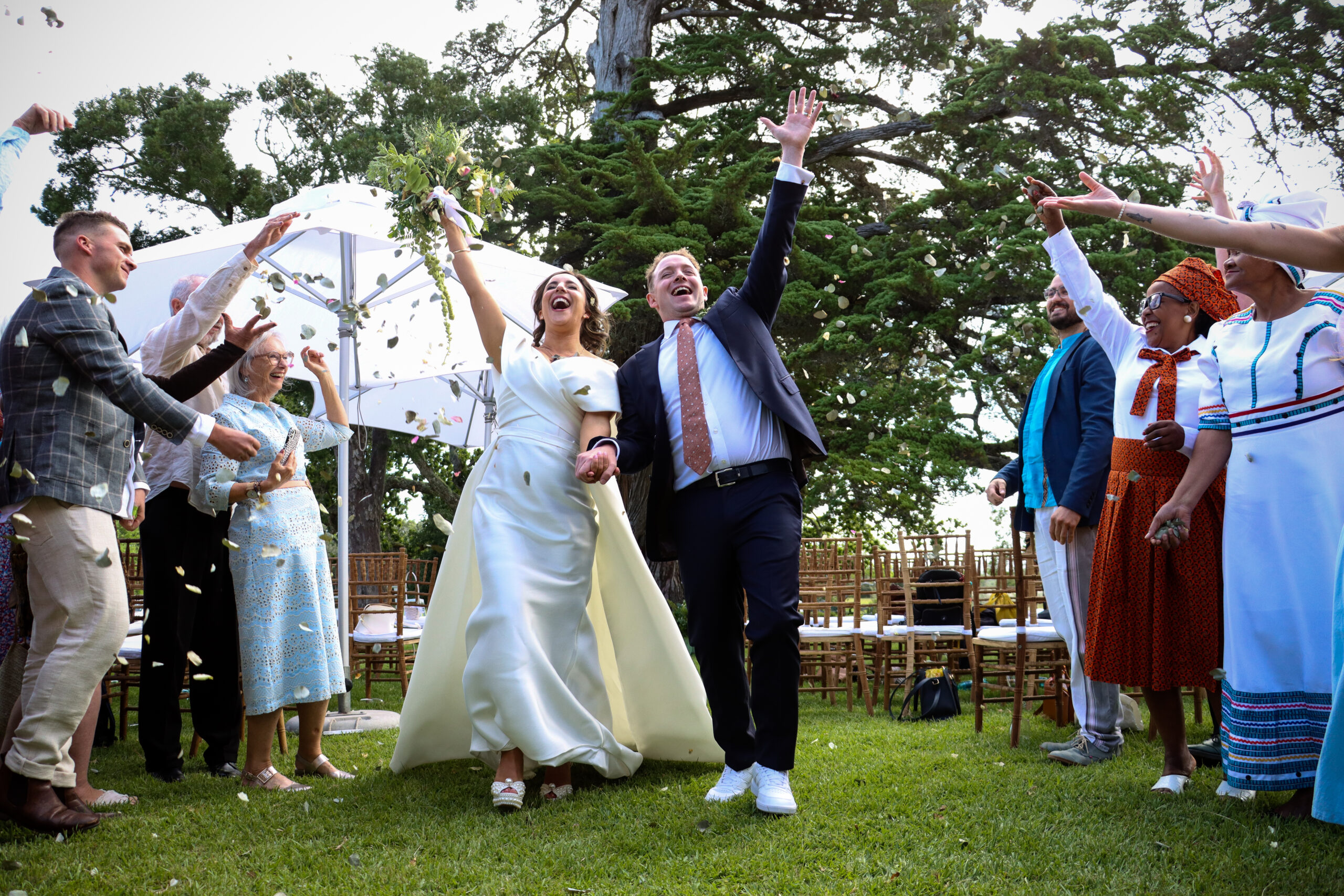
Love! I met my now husband [co-founder and CEO of a venture capital firm, Myles Woolford]. It was hard to get work in South Africa as a non-citizen, so I started a recruiting company more out of necessity than anything else. When we moved to London in 2019, I did my MBA at Imperial College London. I wanted to get back into a conservation organisation but on the people side. My experience as an entrepreneur made me realise that I could make a huge impact for conservation through fundraising.
What do you do?
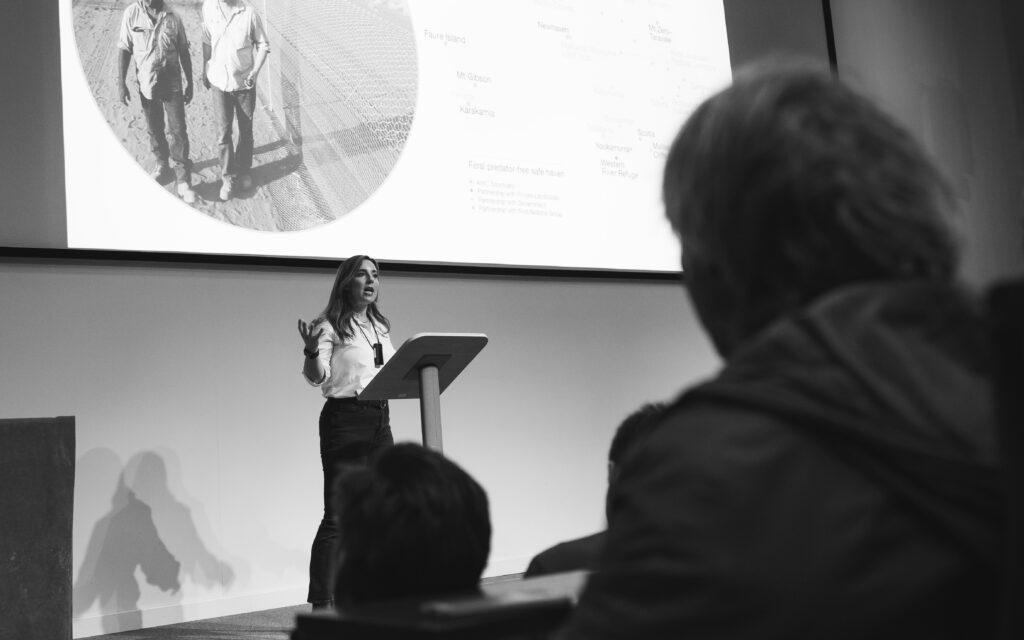
I talk about AWC programs to organisations and individuals in the UK and Europe, who are often expat Aussies, about how they can contribute to conservation back home. I might talk about fire management in the Kimberley or a project researching the thermal tolerance of numbats so we can help critically endangered species live in a changing climate. We factor climate change into all decision-making now.

How is that for you, viewing climate change as imminent, when you’re immersed in every day?
This is something that has been weighing heavily on me. I’ve always been optimistic – and what I love about working with AWC is hearing positive stories from the field – but going to Antarctica was the first time I’ve felt proper grief over the environment. It was so confronting, seeing glacial recession within 20 years: one or two kilometres of ice that just isn’t there. To be right there and see this incredible ecosystem that’s shifted so drastically in a short time, there was a day or two on the boat where I felt deep sadness.
Have you developed an approach to that?
A workshop leader took us through her work with IPBES developing a model to achieve true transformative change. Put simply, there are three factors: practices; structures; views and values. Say you have an organisation like AWC monitoring invasive species, and then you have another trying to connect lower socioeconomic areas to nature, and then there’s someone fighting for environmental law. If you have every piece of tile doing their thing, then you have a whole mosaic of change. It’s not about finding the perfect solution. It’s about making sure you, or your organisation does its bit and then trying to stretch that out: what else can we do? How can we collaborate and go further?
So from the depths of despair, I really felt like: this can happen. These are the people who are going to make it happen. And I left feeling the most inspired ever.