Elizabeth Britton (1963): The lasting influence of her Friends’ years
Posted on November 13, 2026
By Elizabeth Britton, known at Friends’ as Libby Wadsley
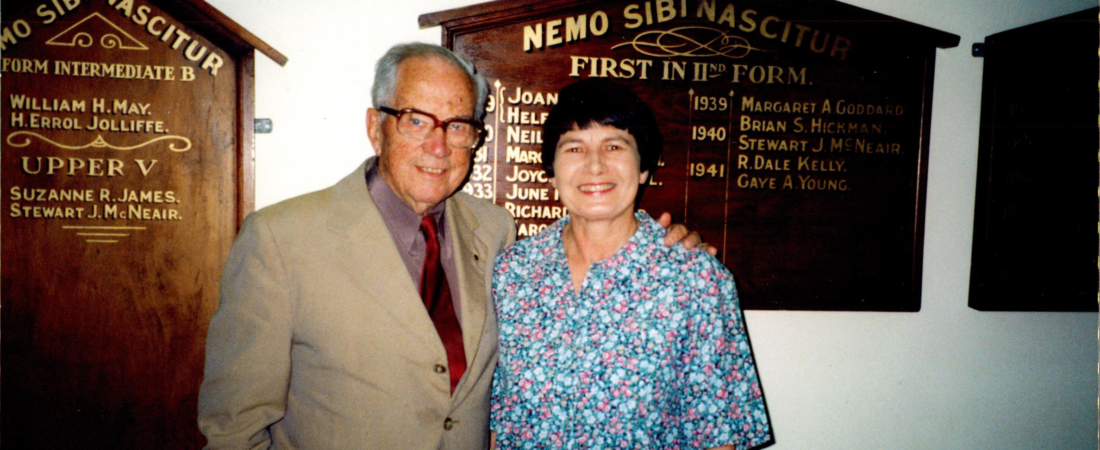
Recently I saw a photo of myself – young, carefree, happy, sitting with my classmates on the lawns, taken in 1963. That photo gave me pause, to stop and reflect on my high school years at Friends’ more than 60 years later.
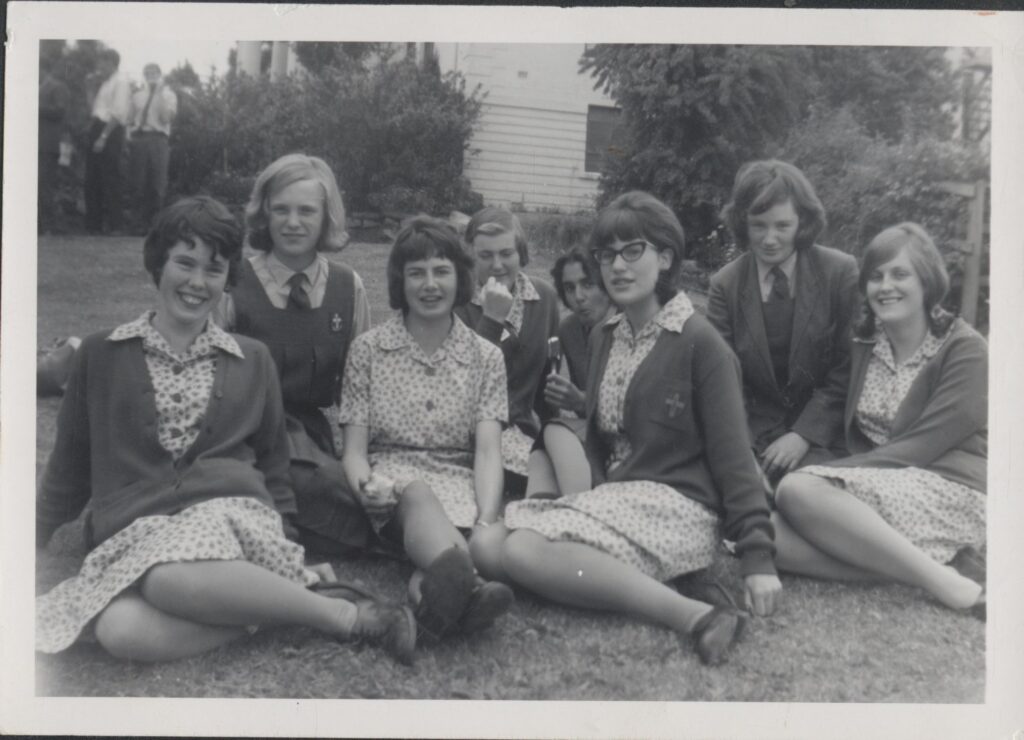
I can still clearly remember most teachers. There were some who must have been given teaching positions during World War II and were now getting quite old. One of our classes was held at the top of steep stairs, making this a slow ascent for these older teachers. Some teachers were lazy, but others were brilliant like Miss Jean Yeates, a dedicated English teacher who made us work much harder than we wanted and compelled us to learn and recite long passages of poetry. When I later became a school principal, with a staff of about 60 teachers, these experiences helped me to supervise and support good teaching practices.
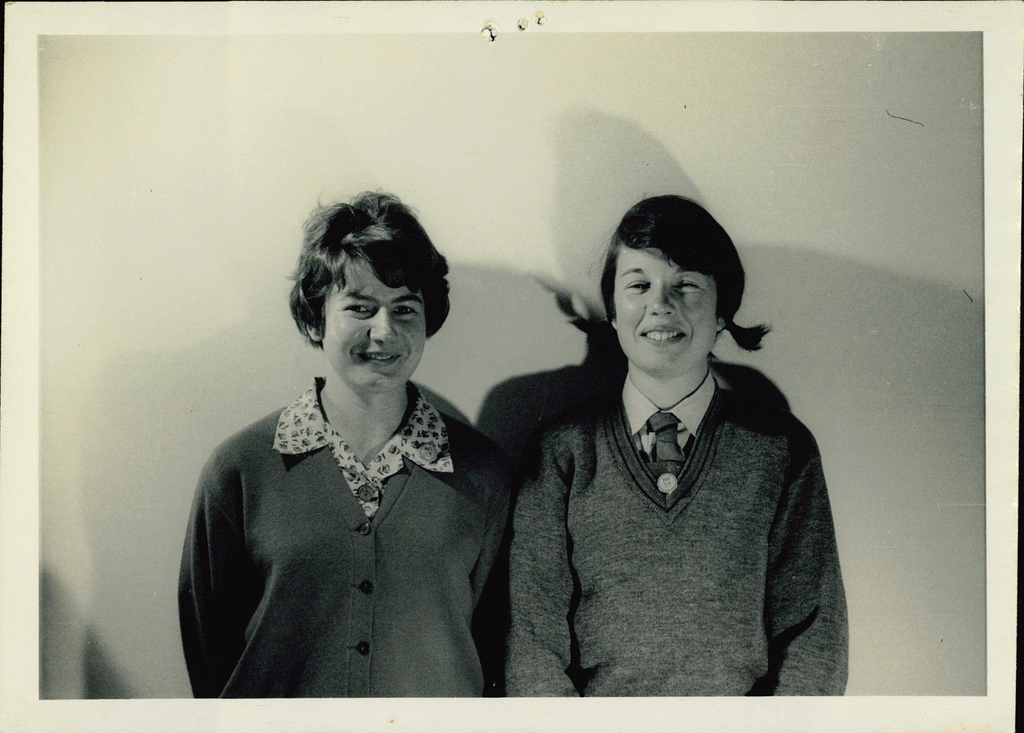
The person who most impressed and inspired me was the headmaster, William N. Oats. He was exceptional, exposing the students to a world of ideas and events well beyond the then rather narrow confines of Hobart in the late 1950s and early 1960s. I learnt about South Africa and the then apartheid system and the war in Vietnam, and met students from faraway countries like Norway. Remember, this was a time well before the internet and mobile phones. Without fully realising it at the time, exposure to these ideas, and the visionary way Mr Oats directed the school, had a profound impact on the directions that life would take me.
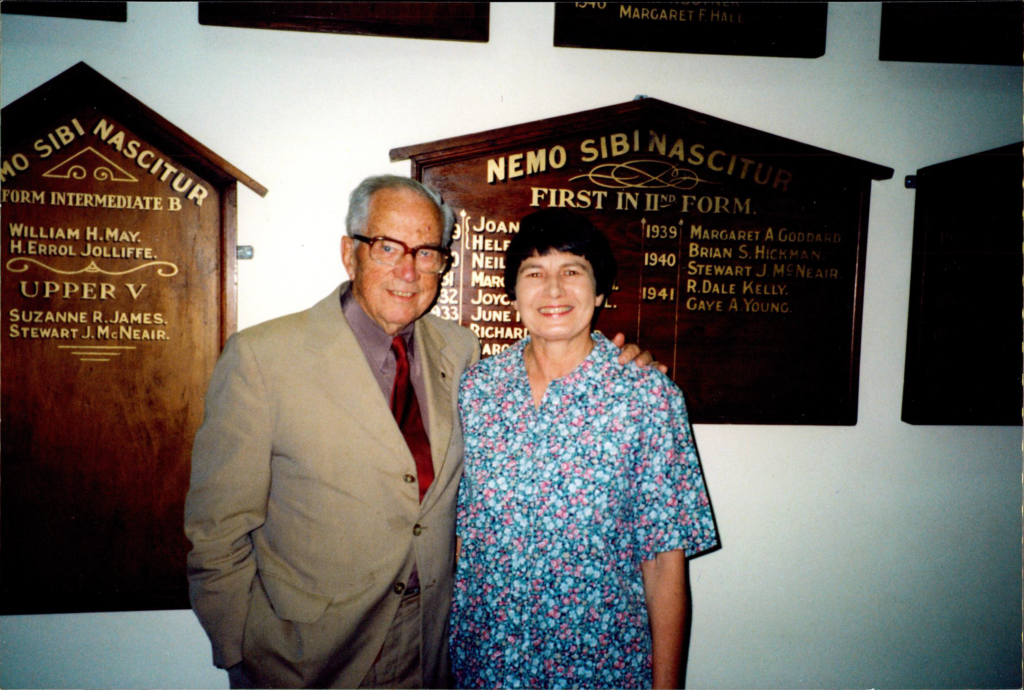
Another forward-thinking feature of the school was its openness around gender roles. It was accepted that in many areas that girls could achieve as well as the boys. I was not a high-ranking student academically and, although I enjoyed sport, was mediocre at it, so I was amazed to become captain of Hodgkin House in 1962, and, in my final year, a prefect. I believe these leadership roles had some impact in my 20s when I was the first woman elected to Circular Head Council in far North-West Tasmania.
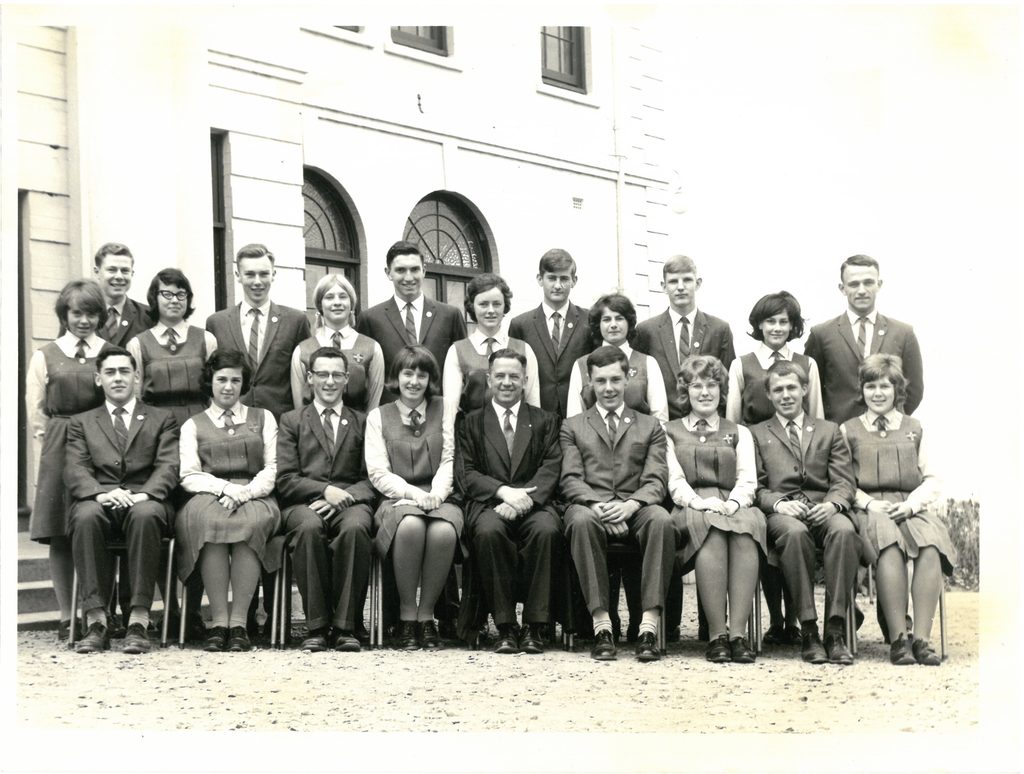
Looking back, I would have liked more career choices when I left school – to be perhaps a lawyer, an archaeologist, an architect, a linguist. But in 1963, these were not on any horizon for me. I took up a scholarship to the University of Tasmania to become a high school teacher. I did poorly academically there, just scraping through on study, but I enjoyed it. I immersed myself in demonstrations against apartheid and the Vietnam war and “Save Lake Pedder” protests. I was on the women’s judo team and remember looking at clay oil lamps from Professor of Classics Paul Weaver’s collection and investigating Catholicism due to the [prominent convert] Professor of English James McCauley.
However, choosing teaching as a profession turned out to be a wonderful choice, both in Tasmanian schools like Smithton High and Stanley Primary, and when I moved to Sydney and retrained to teach English as a Second Language to adult refugees and migrants, qualifying with a Master in Business Administration for Public Sector Management and Master in Linguistics with Merit. W.N. Oats’ philosophy of teaching was about connecting with people and enabling them to develop in positive and meaningful ways.
Being exposed to other countries and cultures at Friends’ helped me cope with the diverse and challenging multicultural nature of working as Principal of the Fairfield Adult Migrant English Centre in western Sydney. At this centre we had up to 2000 adult students a week, from more than 40 different language and cultural backgrounds. It was my stimulating and rewarding job for about 20 years.
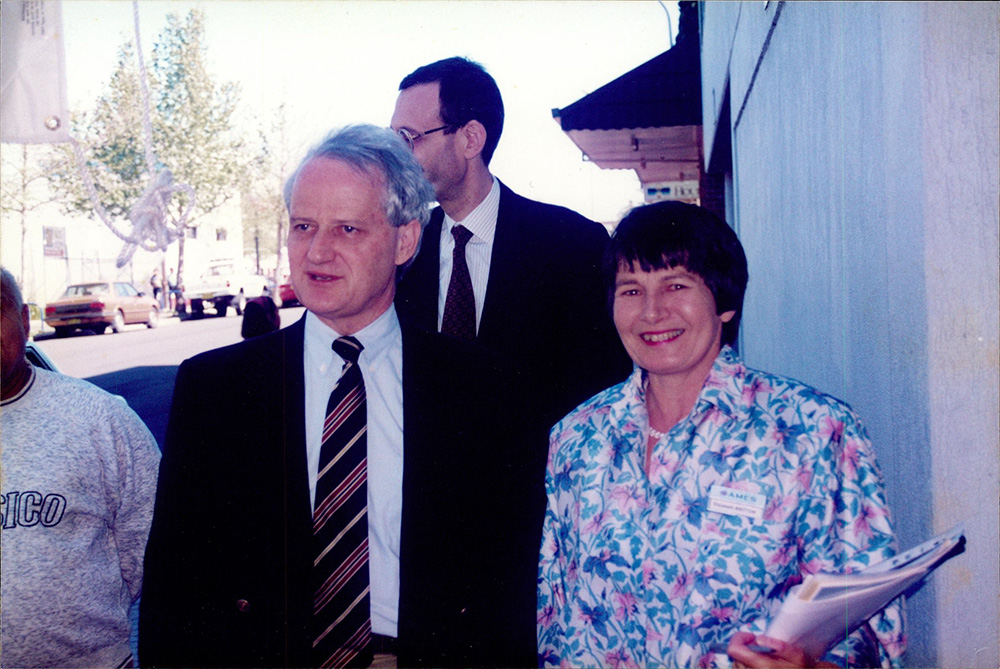
When I left my job in Fairfield, I spent 10 years volunteering with an inter-denominational organisation involved with prisoners and their families. Again, without my realising it at the time, I must have been influenced somehow by the Quaker culture and the work of Elizabeth Fry. I was on the committee, visiting women in Sydney prisons, organising Christmas gifts for children of prisoners, and visiting Australian men in prisons in Bangkok.
So the influence of those special, formative years at The Friends’ School has been deep and pervasive, leading me to diverse and interesting – maybe even extraordinary – areas.