Reflections on Peace
Posted on September 18, 2026
As we approach the International Day of Peace on 21 September, our students have reflected on what peace means to them and how they see, experience or strive for peace at Friends’.
Prep Students’ Ideas About Peace
‘Peace feels like our community’ – Liam
‘Peace is what keeps us safe.’ – Lisanda
‘Peace is like the most beautiful flower you can imagine’. – Adelaide
‘Peace looks like an aurora and feels like a warm heart.’ – Anaaya
‘Peace is being with nature’. – Emily
‘If we have peace in our hearts, we can fix problems in a friendly way.’ – Louis
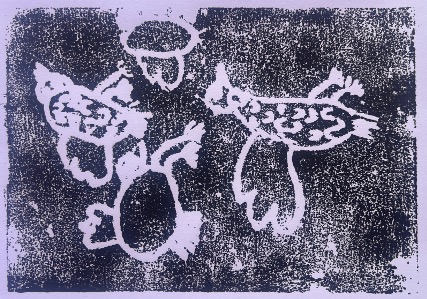
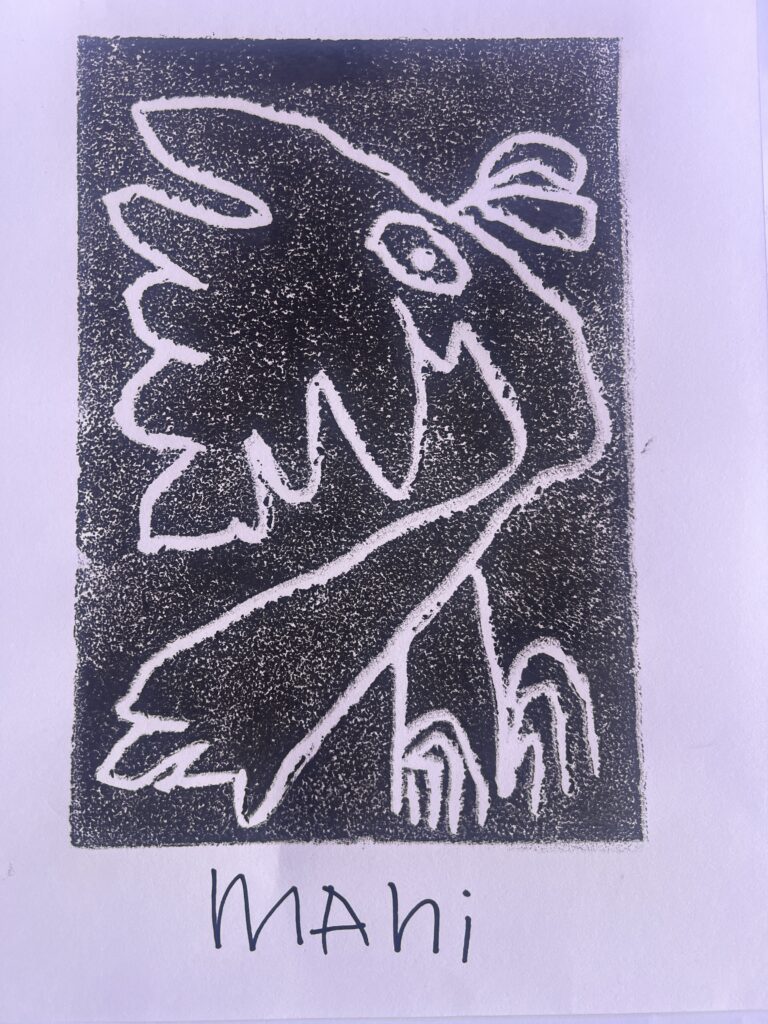
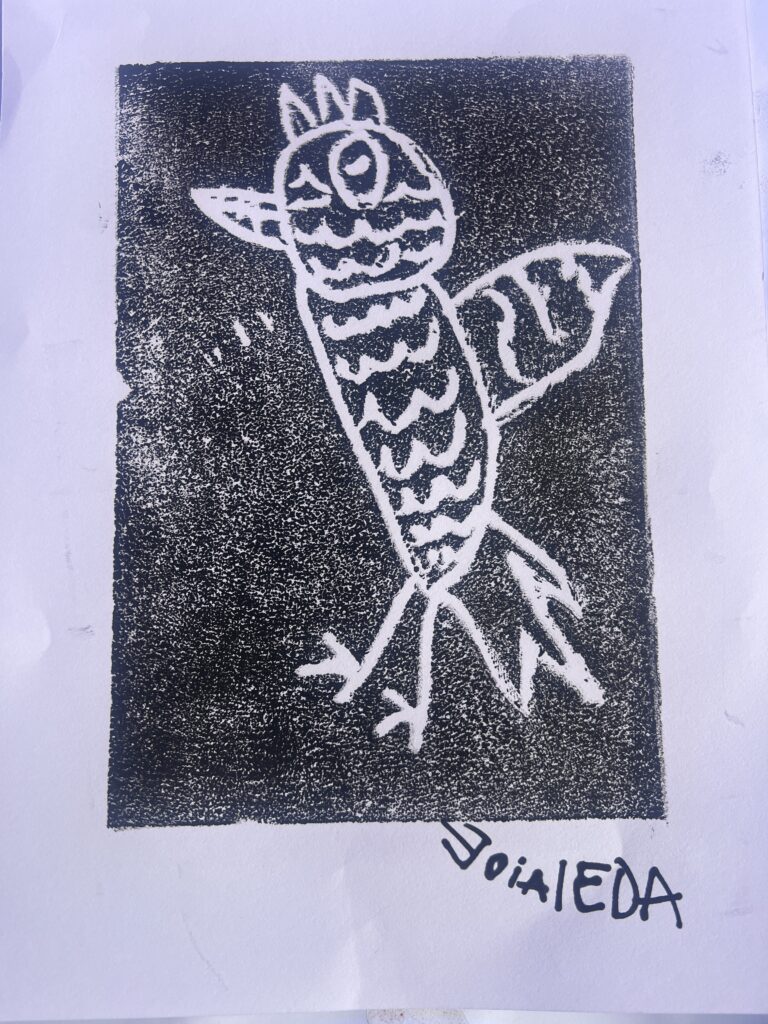
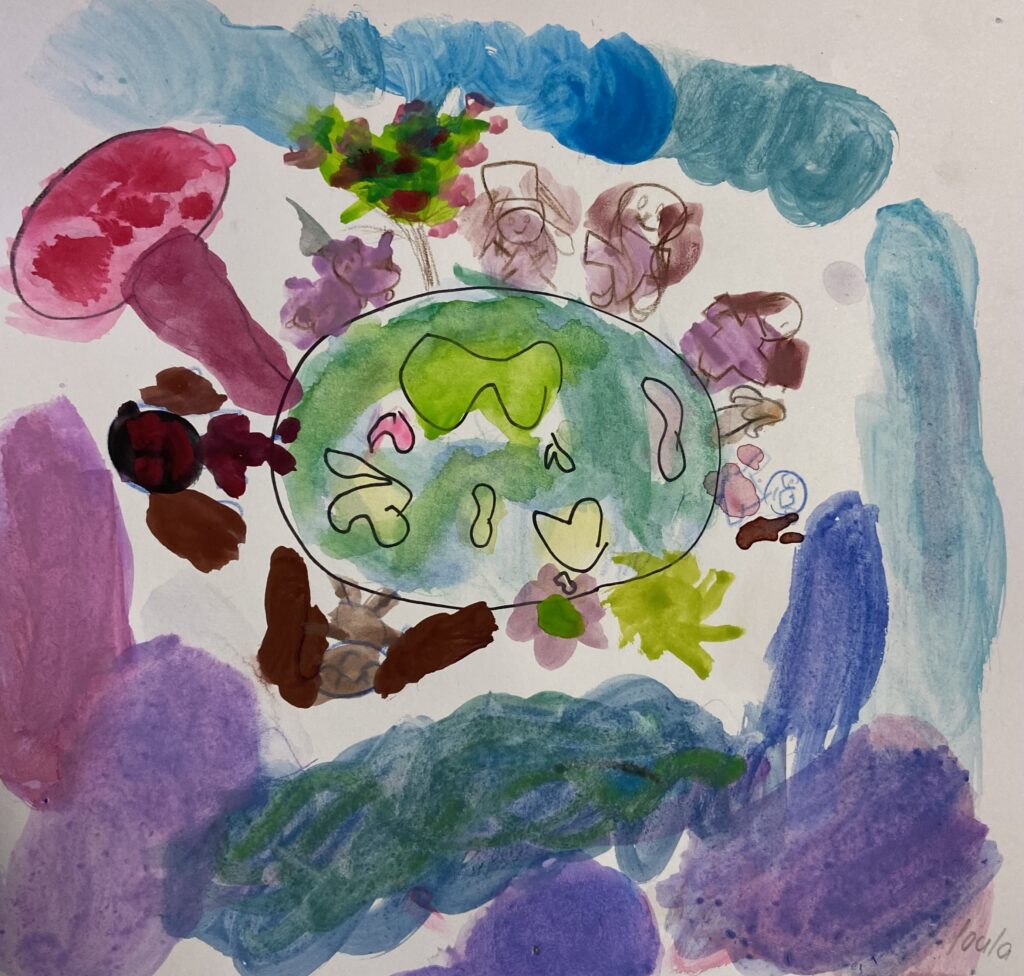
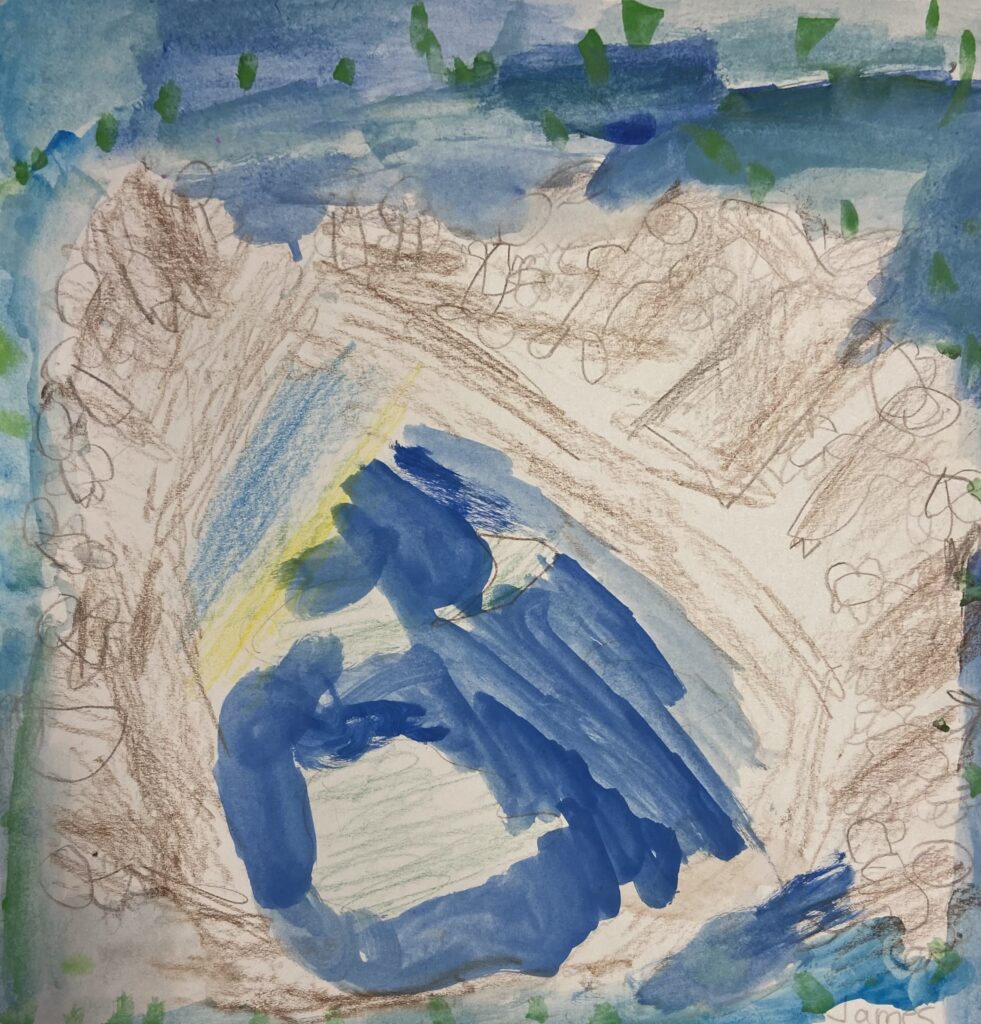
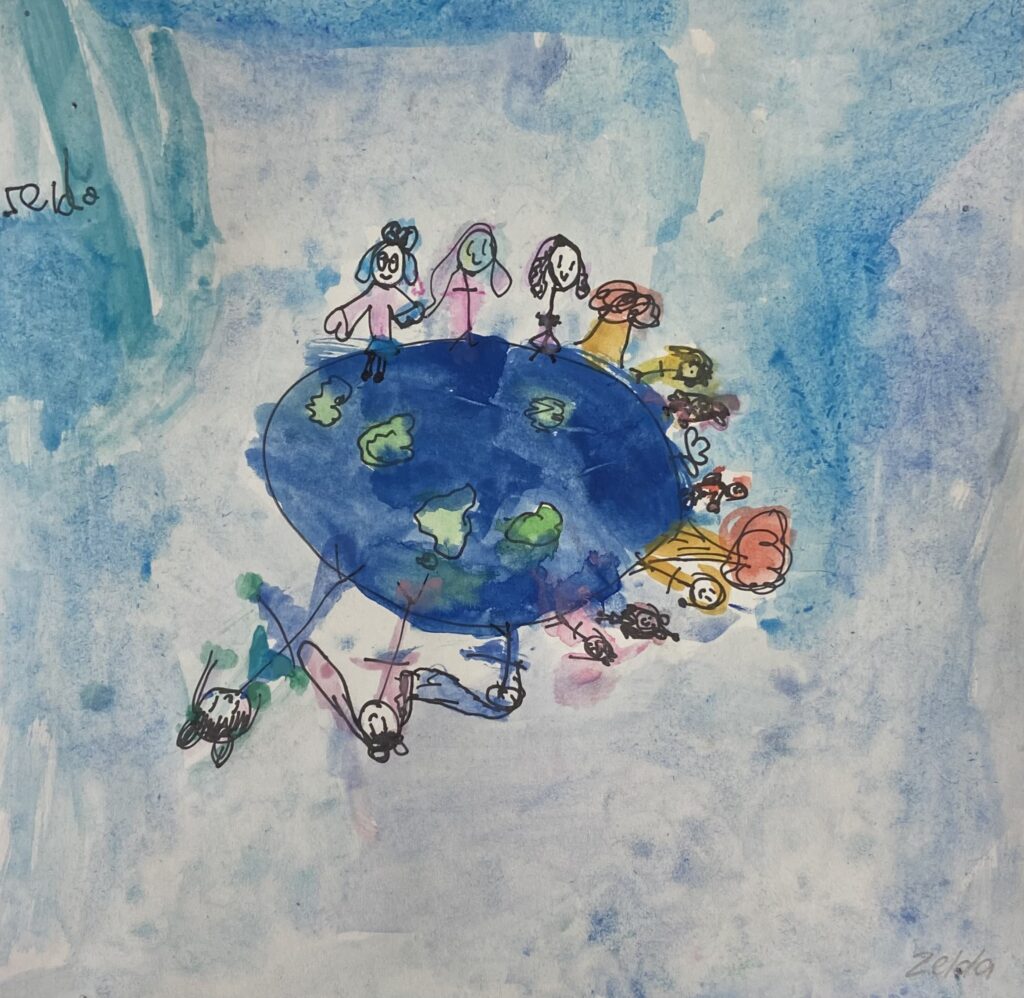
Pictured below are ‘Bird of Peace’ prints by some of our Prep students.
Year 8 Peace Education
Year 8 students paused to reflect on their own understanding of conflict resolution on International Peace Day.
Guest speaker and historian, Peter Jones, spoke to the students about the events that lead up to current international conflicts.
Students sought a better understanding of conflict in friendships and at school through stories and role play with a focus on improving communication. They also heard the story of Witiyana Marika, a Yolngu elder, songman, and peacemaker in Yirrkala, NT.
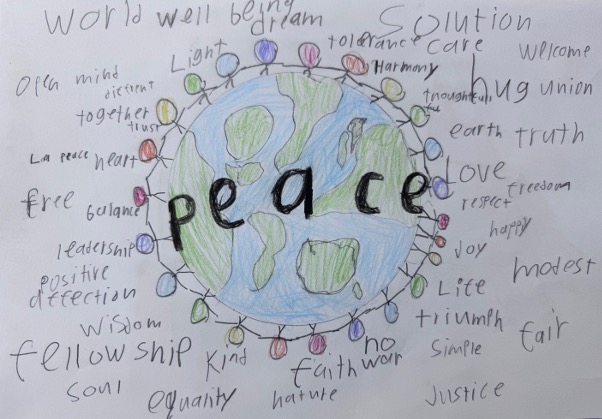
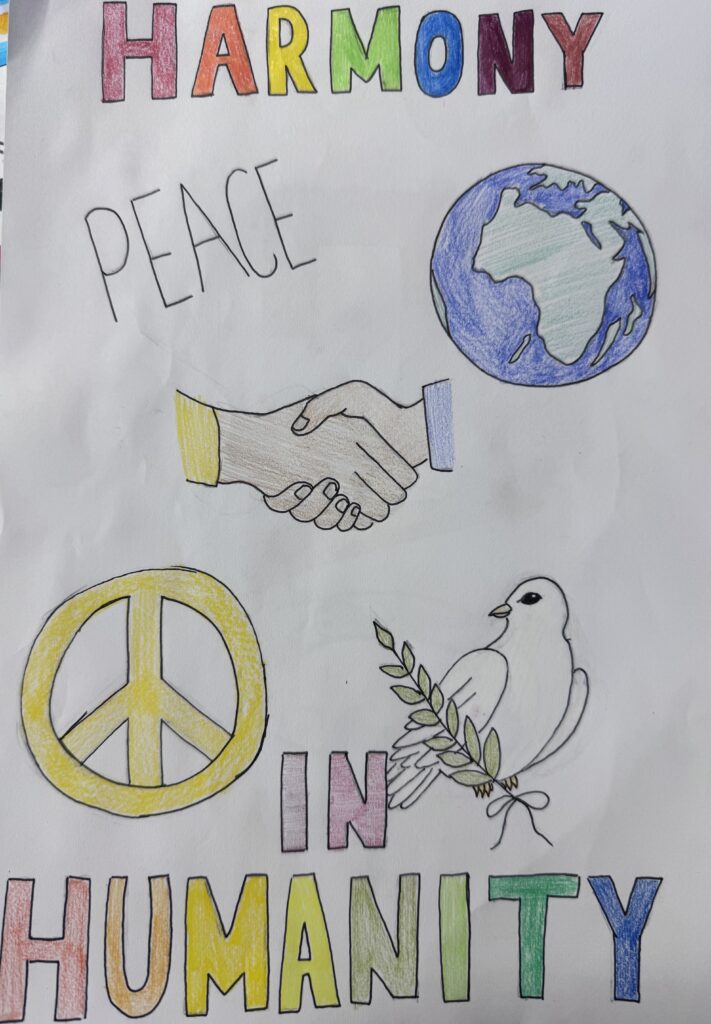
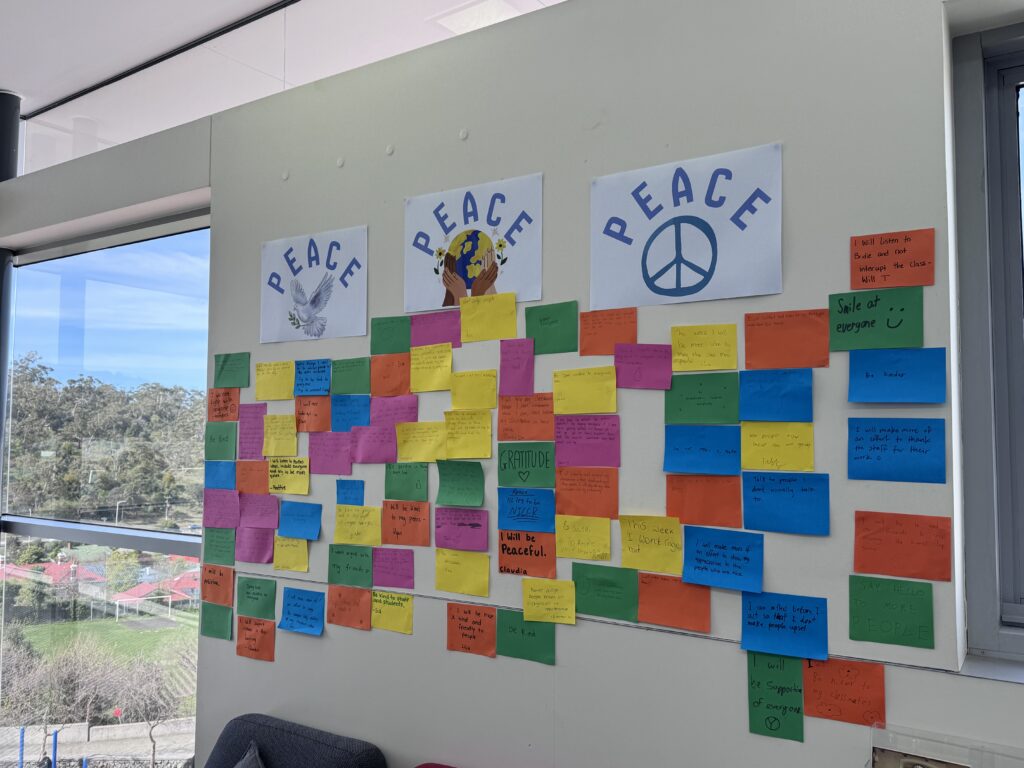
Each Year 8 student created a Peace Poster for display in their classroom and together the cohort created a Peace Wall in the Middle School Library. Each student made one pledge to take one action which will contribute to a more peaceful classroom or school.
One thing I can do when conflict happens is try to look at it from the other side’s perspective and try to see how it may have affected them.
The quality I think is most important for peace is empathy because if everyone cares about other people’s experiences and feelings then it will make it easier for people to get along.
I used to think peace was when people weren’t fighting, and there weren’t any wars going on.
Now I think peace is when everyone is treated fairly and equally, and have access to the basic human rights that they need to live.
I used to think peace was where nobody was fighting and everybody was happy. Now I think peace is a world where we can move through conflict and move forward with an open mind.
Speeches by Year 12 students Tashinga and Marcel at the Palm Sunday Peace Rally on Saturday 28 March 2026
Tashinga:
Good Afternoon.
My name is Tashinga. Today we stand united by a choice. Our choice to rally against war. We live in a society dictated by some leaders that choose conflict over diplomacy. They preach to us about how their actions are the ones that will bring about peace in the future, yet they seem to remain ignorant of all consequences of war unrelated to what they can gain in the present.
I’ve only been on this planet for 17 years, but I’m not as ignorant as our leaders. Every time I take the bus, it gets more and more crowded because people cannot afford fuel anymore. I look on social media and am constantly bombarded with images of schools decimated into dust by missiles. I have classmates who have family in war torn countries like Iran, who constantly fear hearing the worst from those they love, that is if they’re able to communicate at all… And these are only the consequences that I see with my own eyes. What about the ones that occur that we will never see? The people who live every moment wondering when they’ll feel another impact. Every moment that they live coloured in uncertainty. Every moment children cry wondering when, or if, help will even come.
They say that ignorance is bliss. But applied to the context of war it is anything but. In a digital world, it is harder to ignore injustice than it is to act against it. So certain leaders choosing ignorance over diplomacy showcases the rising trend of apathy in our society. They do not care about the human cost of war. The number of war torn countries, the thousands of civilians unable to receive humanitarian aid – these are not the numbers they care about. But we do. I know there are young people out there that are exactly like me, that because of inaction, will never get to realise their dreams like I am privileged to.
And it’s a harsh reality to face, and sometimes it can feel easier to turn a blind eye for the sake of comfort. But we aren’t standing here to be comforted.
We rally in front of our elected leaders because we have chosen truth over ignorance, no matter how confronting it may be, and no matter how small our actions may feel. We have made a commitment to create change with peace. Because we cannot dismantle the war machine by using the fuel it feeds upon. We must use hope.
At The Friends School, we propose that hope isn’t a passive belief, but an active practice. That every one, our actions and decisions, can bring us closer to a shared vision of peace. Like many of you, we denounce war in all its facets recognising it as a hindrance to global harmony. Last year, we made a conscious decision to move away from any institution funded by military action, regardless of their notoriety. This is an example of everyday action against the institution of war. Of leadership unafraid to go against the norm and refute its pervasive presence in our society. This is something we can all do. Through reflection, we can use our awareness as an opportunity to explore our values in-depth and discover their relevance to everyday life.
In Quaker belief, silence is the vehicle for this reflection. So whilst we often showcase our conviction and values through applause, here in front of our elected leaders, let us use it to force them to reflect on the consequences of their inaction. For us, let silence invite us to consider how to activate our hope. To explore the ways we can embed our values into our daily lives and how we can grow from our own ignorance, and choose truth. Please join me in this moment of silence.
Thank you, friends.
Marcel:
Good afternoon everyone,
My name is Marcel and I’m one of the Head Students at The Friends School this year. It’s a real privilege to stand here today with all of you.
Right now we are living in a time where war is no longer something we learn about after the fact. It is something we witness as it happens. Through our screens in real time we see cities reduced to rubble, families forced from their homes and entire generations growing up in the shadow of conflict. There is a risk in all this exposure. That it becomes normal. That we begin to see conflict and suffering as something distant, something inevitable and something we can’t really change. But it isn’t inevitable and it isn’t distant.
At the center of every conflict are people. Ordinary lives disrupted in extraordinary ways. Young people not so different from us whose futures are shaped not by choice or opportunity but by survival. Families separated. Communities isolated. Lives reduced to numbers in a headline.
At Friends’ the idea that every person has inherent self worth is very interconnected with the Quaker values, it sounds simple but if we truly believe it the world would look very different. Because once you believe every person has equal value, suffering stops being something you can ignore.
But war is not only about conflict, it is also about systems.
There are industries that don’t just exist alongside war, they grow because of it. Arms manufacturers, defence contractors and corporations that profit from this instability. What is often called the military industrial complex depends on conflict continuing. For some people, war is not just a tragedy, it is a business.
This makes peace more difficult because it means ending war is not only a moral issue but it is also a structural one. It means being willing to question who benefits and at what cost.
At the same time the damage does not stop with people. War leaves lasting scares on the planet as well. Land is destroyed, ecosystems are damaged and pollution from military activity remains long after the fighting ends. At a time when the world is already facing a climate crisis, this matters more than ever. All of this exists in a world that already feels increasingly divided. It is becoming easier to judge then to listen, easier to dismiss than to understand. And division creates the kind of world where conflict becomes more likely not less. This is why the way we respond to conflict matters, in any setting.
At Friends’ our theme for last year was active hope. Not hope as something passive but hope as something you act on. We talk about listening in, leaning in. About being willing to understand people who are different from us and not stepping back when conversations become difficult.
Because peace does not begin at the level of governments. It begins in the way we treat people everyday. In the way we choose to listen. In the way we choose respect over division. As young people, we may not yet hold positions of power. But we are the generation that will live with the consequences of the choices being made now. And that gives us both a responsibility and an opportunity. Conflict is inevitable. It’s part of being human. But war is not. The difference lies in how we respond, and those choices shape the kind of future we create.
We can choose to become indifferent. Or we can choose to care. We can accept the world as it is. Or we can try to shape something better.
Peace is not inevitable. It has to be built. And it begins with us.
Thank you.